Interior Design Cost in Mumbai: A Complete Pricing Guide for 2026
Author
JWS Interior
Published
14 July 2026
Read Time
6 Min Read
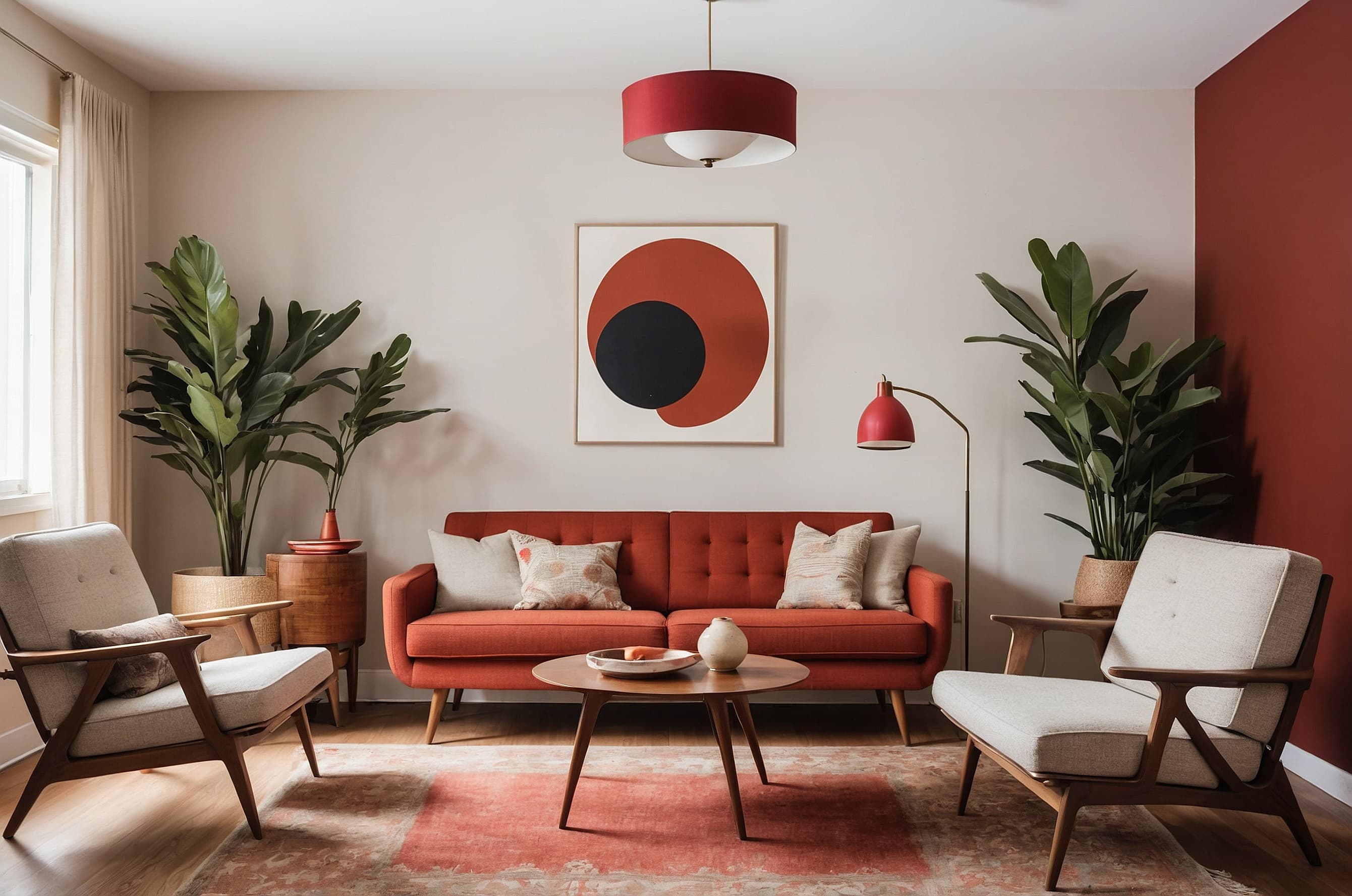
Planning your dream home comes down to one honest question first: what's this actually going to cost? Whether you're moving into a new flat, overhauling an existing space, or fixing up one room that's been bothering you for months, knowing the interior design cost in Mumbai upfront saves you from the most common renovation mistake, starting without a real number in mind.
Mumbai's property market plays by its own rules. Compact apartments next to full-floor residences. Premium imported materials in one building, practical laminates in the next. Labour availability in Bandra looks different from Thane. Every one of these variables shifts the final number. But the fundamentals stay consistent. And once you understand what actually drives pricing, you can budget with a lot more confidence.
This guide breaks down what moves costs, what the ranges look like in 2026, and where most people leave money on the table.
Why Interior Design Costs Vary in Mumbai
Two apartments. Same floor area. Same building. Completely different bills.
That's not unusual. It's actually the norm. Interior design cost in Mumbai isn't about square footage alone. It's about the decisions you make inside that square footage.
The factors that actually drive price:
Property size and number of rooms
How much is custom versus off-the-shelf
Material choices at every level
Modular kitchen specifications
Wardrobe and storage design
False ceiling and lighting work
Civil modifications
Smart home integration
Project timeline and execution pressure
The deeper you go into customisation, the further the budget moves. That's not a problem, it's just how it works. Knowing this going in is the whole point.
Average Interior Design Cost in Mumbai
No single number covers every home. But most projects land in one of three bands.
Project Type
Typical Investment
Basic Interiors
Budget-friendly finishes with essential furniture and storage solutions
Mid-Range Interiors
Better materials, customised wardrobes, modular kitchens, decorative lighting and premium finishes
Luxury Interiors
Fully customised furniture, designer finishes, imported materials, automation and bespoke detailing
The lowest quotation isn't always the right one. What matters more: scope of work, material specs, warranty coverage, and whether the execution team has actually done this at scale before.
What Is Usually Included in Interior Design Pricing?
A full project isn't just furniture. It's an ecosystem of components that have to work together.
Most complete interior design packages cover:
Space planning and layout
3D visualisations
Modular kitchen
Wardrobes and TV units
Crockery units
Bedroom furniture
False ceiling and painting
Flooring recommendations
Decorative lighting and electrical planning
Plumbing coordination
Soft furnishings
Site supervision
Some firms offer turnkey delivery, where everything from design to execution runs under one contract. For most homeowners in Mumbai, this removes a significant coordination burden.
Factors That Have the Biggest Impact on Cost
1. Home Size
Larger homes cost more. That part's obvious. But the reason matters.
A 3-bedroom apartment doesn't just require more materials. It requires more cabinetry decisions, more lighting zones, more storage configurations, more finishing runs. Each room compounds the complexity.
2. Material Selection
This is where most budgets diverge most sharply.
Laminates versus veneers. Engineered stone versus natural marble. Standard hinges versus premium European hardware. Modular components versus full custom carpentry. None of these choices is wrong, they're just different price points with different outcomes.
Durable, practical materials consistently offer the best long-term value for the interior design cost in Mumbai, especially in high-use areas like kitchens and wardrobes.
3. Level of Customisation
Ready-made furniture costs less upfront. That's a fact.
But custom-built interiors offer something ready-made can't: space built specifically for your home. Better storage density. Finishes that fit. Proportions that don't look borrowed from a showroom floor.
In Mumbai, where compact apartments are the default rather than the exception, customised furniture earns back its cost in functionality. The space just works better.
4. Kitchen Design
The kitchen is usually the single largest cost centre in any interior project.
Pricing depends on:
Cabinet finishes and hardware brands
Countertop material
Pantry storage design
Built-in appliances
Accessories and lighting
A well-planned kitchen doesn't just look better. It functions better for years, and it holds property value in a way that decorative upgrades simply don't.
5. Lighting Design
Lighting gets underestimated in almost every budget I've seen.
A complete lighting plan isn't just fixtures. It's ambient light, task light, accent light, cove lighting, decorative pieces, and increasingly, smart controls. When all of these are planned together, the result is rooms that feel different at different times of day. When they're bolted on as an afterthought, the result is bright rooms that feel flat.
Good lighting is one of the highest-return investments in interior design. It changes a space without touching a wall.
How to Reduce Your Interior Design Costs Without Compromising Quality
Saving money doesn't mean going cheap. It means spending deliberately.
Prioritise Essential Areas
Complete the kitchen, wardrobes, and living spaces before putting money into purely decorative elements. These spaces carry a daily load. Decorative upgrades can come later.
Choose Timeless Designs
Neutral palettes and classic finishes stay relevant for a decade. Trend-led choices often start looking dated in three years and require an early refresh. The economics of timelessness are real.
Compare Multiple Quotations
Don't compare prices alone. Compare:
Scope of work
Material specifications
Warranty and after-sales support
Project timeline
Payment schedule
A transparent, detailed quotation often delivers more value than the lowest number on a shortlist.
Avoid Frequent Design Changes
This one deserves emphasis. Revisions once work has started are one of the most reliable ways to inflate an interior project budget. Finalise layouts, materials, and finishes before the first nail goes in. Every change during execution costs more than it would have at the design stage.
Is Hiring an Interior Designer Worth the Investment?
A fair question. And the honest answer is: usually yes, but not for the reasons most people assume.
The value isn't just in the aesthetics. Experienced designers help clients:
Optimise available space in ways that aren't obvious on a floor plan
Avoid construction mistakes that cost far more to fix later
Select materials with the right balance of quality and budget
Coordinate contractors without constant homeowner involvement
Keep projects closer to the original timeline
Professional planning tends to save both time and money across the full project. The fee isn't an additional cost. It's a risk reduction.
Questions You Should Ask Before Finalising a Designer
Before signing anything, get clear answers to:
What exactly is included in the quotation?
Which materials and brands will be used?
How long will execution take?
Are warranties provided, and for how long?
Who supervises site work day-to-day?
How are additional costs handled?
Will I receive design drawings and 3D visualisations?
These questions aren't formalities. They surface misalignments early, before they become disputes.
Interior Design Trends Influencing Costs in 2026
Current trends are moving the market in a few consistent directions:
Minimalist interiors with deliberate material choices
Warm neutral colour palettes replacing cool greys
Smart home automation, particularly lighting and climate
Sustainable and natural materials
Modular furniture with reconfiguration potential
Hidden storage solutions in compact spaces
Curved furniture and softer forms
Statement lighting as focal architecture
Multifunctional spaces that shift use across the day
Some of these require higher initial investment. Several improve long-term functionality in ways that hold value well past the first few years.
Why Planning Your Budget Early Matters
The most expensive renovations are usually ones that started without a real budget. The decisions made in the first two weeks of planning shape the entire project cost. Once materials are specified and contractors are engaged, changing course gets expensive fast.
A realistic budget helps you:
Prioritise where to spend and where to save
Avoid upgrades that exceed your actual return
Compare quotations on a like-for-like basis
Complete the project without financial pressure forcing bad decisions
Understanding the interior design cost in Mumbai before finalising your design isn't just financial planning. It's how you stay in control of the project from start to finish.
Frequently Asked Questions
How much does interior design cost in Mumbai?
The total depends on home size, design complexity, material choices, customisation level, and furniture requirements. Every project is different, which is why a personalised quotation is the only accurate way to estimate costs for your specific space.
What increases the cost of an interior project?
Premium materials, custom furniture, luxury finishes, smart home features, structural modifications, and civil work all add to the final number. Frequent design changes during execution are another common cost driver.
Can I complete my interiors in phases?
Yes. Most homeowners complete kitchens, bedrooms, and living spaces first, then add decorative upgrades over time. This approach spreads cost without sacrificing the essential functionality of the home.
Is customised furniture worth the additional cost?
For most Mumbai apartments, yes. Custom furniture uses available space more efficiently, delivers better storage, and fits the actual proportions of the room rather than approximating them.
Final Thoughts
Your home is probably the largest financial commitment you'll make. Thoughtful interior planning makes sure the money inside it is spent as carefully as the money that bought it.
There's no universal number for interior design cost in Mumbai. But there is a clear logic to how costs are built. Understand that logic, prioritise the right spaces, compare quotations seriously, and finalise decisions before execution starts. Do those four things well, and you've already avoided the most expensive mistakes.
Whether you're designing a compact flat or a full-floor residence, the outcome is the same: a home that works, holds its value, and doesn't require another round of renovation in five years.